How Local Partnerships Multiply Your Small Business Reach
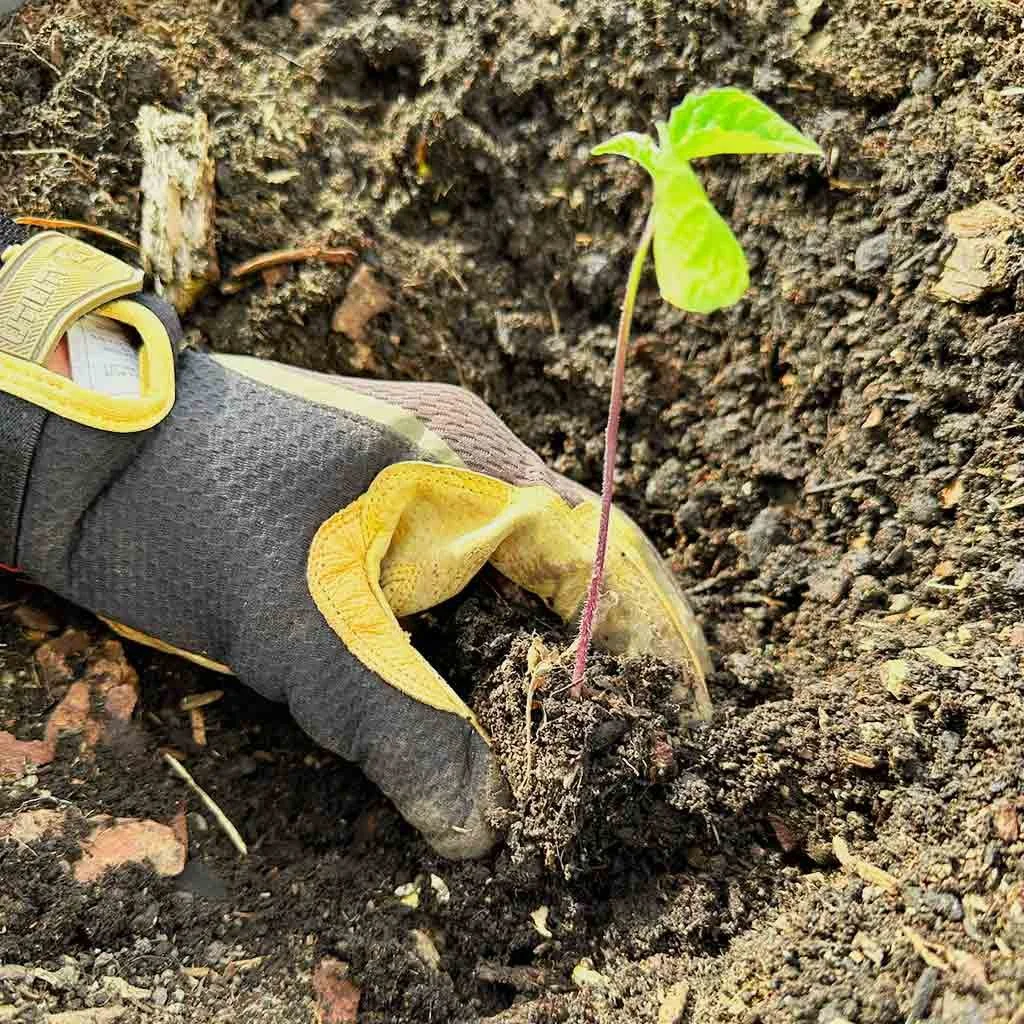
Spring is a season of growth — and not just in your garden.
If you're a local small business owner, spring is one of the best times to think about how you're showing up in your community. Events are picking up. People are outside again. And new customers are actively looking for businesses just like yours. The question is: are they finding you?
One of the most overlooked strategies for growing your reach — without growing your marketing budget — is local partnership marketing. Done well, it doesn't just add to your audience. It multiplies it.
In this post, I'm walking you through how local partnerships work as a reach-multiplying strategy, what makes them so effective right now, and how to start building them this spring.
What Does "Multiplying Reach" Actually Mean?
When you partner with another local business, you don't just share a social post. You tap into an entirely different root system.
Think of it like a garden bed. Your business has its own root system — your email list, your social following, your loyal regulars. But your neighbor's business? They have their own roots, running deep into a different part of the same soil. When you plant your businesses side by side and share nutrients — content, promotions, events, exposure — both plants get stronger. And both reach further.
Local partnerships multiply your reach because both audiences win. Your customers get introduced to a complementary business they didn't know about. Their customers discover you. And instead of doubling your effort, you're dividing it — sharing the load while expanding the output.
This is the core of what we call partner marketing: a strategy where two businesses with overlapping audiences and aligned values collaborate to grow together. And in spring — when energy is high, events are blooming, and people are ready to spend — it's the perfect time to get intentional about it.
Why Spring Is Prime Time for Partnership Marketing
Spring isn't just a metaphor here. There are real, practical reasons why this season is one of the best times to initiate and activate local partnerships.
Seasonal momentum is already working for you. People come out of the slower winter months ready to refresh their routines — new classes, a spa day, updates to their home, a new wellness habit. If you're a local service business, your potential customers are already in a "try something new" mindset. Partnering with a complementary business right now lets you ride that wave together.
Community events create natural collaboration opportunities.Farmers markets, art walks, spring festivals, and local fundraisers all pick up in spring. These are prime moments to share a booth, co-sponsor an event, or simply show up together and introduce your customer bases to one another.
The gardening analogy is real. Plant your partnerships now, tend them through summer, and by fall you'll have a harvest. The businesses we've worked with that see the biggest results from partner marketing are the ones who build these relationships steadily over time — not as a one-time stunt, but as an ongoing strategy with seasonal rhythms baked in.
How Local Partnerships Actually Multiply Your Reach
Let's get specific. Here's where the multiplication happens.
Audience Math: Two Lists Are Better Than One
When two businesses collaborate on a social post, a giveaway, or a co-created offer, both audiences see it. If your partner has 1,200 followers and you have 800, you're not just reaching your 800. You're reaching up to 2,000. And because it's coming from a trusted local source — not an ad — those new eyes convert at a much higher rate than paid impressions.
The same logic applies to email newsletters, events, onsite materials, and any other touchpoint where your audiences overlap. Every time you show up in a partner's world, you're borrowing credibility you haven't had to earn from scratch.
For a deeper look at the specific tactics — from social collabs to cross-promotional events to formal partner programs — check out our full guide: Partner Marketing Tips for Local Small Businesses. Here, I want to focus on something the tactics list doesn't fully capture: what happens when partnerships mature.
What Mature Partnerships Look Like in Practice
Two of our clients show what the long game looks like — and they're worth studying.
TRUCE Spa is a good example of what patient, organic partnership-building looks like. The strategy started slowly — early on, we focused on simple Instagram giveaway collabs with complementary local businesses to build awareness and grow their following one partnership at a time. Those early efforts planted the roots: the content rhythm, the relationship-building habits, the shared audience trust. Over time, the partnerships matured. TRUCE now runs seasonal joint promotions and co-created content with The Westin Bellevue — a full spa-cation package where hotel guests receive a TRUCE gift card as part of their stay — and with TruFusion, a local fitness studio whose wellness-minded members are a natural fit for spa services. What started as a giveaway collab has grown into co-branded experiences reaching entirely new audiences. That's the compounding effect in action.
Coeur Climbing has taken a different approach. Partner marketing wasn't an afterthought for them — Rinehart Marketing built it into their launch strategy from day one. Before the gym ever opened its doors, we secured nine exclusive offers for founding members and six ongoing member offers from local businesses, and the grand opening drew 12 partner businesses and around 150 attendees. What you see today — a formal Community Partnership Program actively recruiting wellness & recovery services, outdoor & active lifestyle retail, and popular food & beverage businesses— is the natural evolution of that original foundation. Partners get ongoing membership offer listings, social media collaboration, event inclusion, and newsletter mentions. In return, they share Coeur Climbing with their own audiences. It's a formalized root system, deliberately built to keep growing.
The stories behind these two examples are actually quite different — and that's the point. For Coeur Climbing, partner marketing was built into the launch strategy from day one. For TRUCE, it started with small IG giveaways and grew gradually into co-branded campaigns with a luxury hotel and a fitness studio. Different timelines, different approaches — same compounding result.
What Makes a Partnership Worth Pursuing?
Not every business makes a good partner. Spring is also the season to be intentional — you don't plant every seed in every corner of your garden. You think about what grows well together.
A strong local partner has:
An overlapping audience. Their customers and your customers are the same people, or should be.
Aligned values and culture. If your brand is warm and community-oriented, you want a partner who feels the same.
An active presence. They're engaged on social, present in the community, and actually showing up.
Established local credibility. A positive reputation, strong reviews, and visible community roots.
Practically speaking, the easiest partnerships to start are with businesses you already have a relationship with — a vendor you love, a neighbor you know, a business owner you've met at a networking event. Start there. The partnerships that feel natural are usually the ones that perform best.
How to Get Started This Spring
Ready to plant some seeds? Here's a simple starting point.
1. Make a short list of potential partners. Think about your best customers. Where else do they spend money? What other local businesses do they love? Those businesses are your strongest candidates.
2. Reach out personally. This is a business-owner-to-business-owner conversation. Don't delegate the initial outreach. Keep it warm and genuine — share what you admire about their business, and float the idea of collaborating on something this season.
3. Start with one shared initiative. Don't try to build a full partner program overnight. Start with something seasonal and low-stakes: a spring giveaway, a co-hosted event, a feature in each other's newsletters. See how it feels before committing to a longer-term arrangement.
4. Track what happens. Note the reach, the new followers, the new customers who mention the partner. These results will fuel your next pitch — to them, and to future partners.
The Long Game: Partnerships That Compound
Here's what I love most about this strategy — and what makes it feel so much like gardening.
The first season, you're planting. You're establishing the relationship, figuring out the rhythm, building trust. It might feel slow.
By the second and third season, things start to compound. Your partner's audience begins to recognize your name. You start getting tagged in their posts. Their regulars become your regulars. A simple newsletter mention grows into a co-branded experience. A handshake agreement grows into a formal program with its own landing page and application.
There's also an SEO dimension that gets stronger over time. Every co-created blog post, every shared press mention, every website link from a partner builds your web of credible local mentions — exactly the kind of signal that search engines and AI Overviews use to determine authority and trust. Your digital footprint grows with every partnership you nurture.
This is the compounding power of local partnerships. It's not just about this spring's initiative. It's about building a root system that makes your whole business stronger, season after season.
Frequently Asked Questions
-
Start with your best customers and work backwards. Ask yourself: where else do they spend their time and money? The businesses that show up on that list are your strongest candidates. From there, look for aligned values, an active local presence, and a genuine willingness to collaborate — not just receive.
-
Not necessarily. Many of the best partnerships start informally — a shared social post, a giveaway, a newsletter feature — and formalize over time as trust builds. That said, once you move into ongoing offers, co-branded content, or anything involving shared costs or commitments, it's worth putting the basics in writing so both parties are clear on expectations.
-
It happens — and it's not personal. Some businesses aren't ready, don't see the fit, or already have too much on their plate. The best approach is a warm, genuine outreach that makes the value clear for them, not just you. If it's a no, move on to the next candidate on your list. The right partners will say yes.
-
Some tactics — like a co-hosted giveaway or a newsletter feature — can drive immediate visibility. But the real compounding happens over time. Think in seasons, not weeks. Businesses that commit to partner marketing as an ongoing strategy consistently see stronger results than those who treat it as a one-time campaign.
Ready to Grow?
If you're a local small business ready to expand your reach without expanding your marketing budget, partner marketing might be exactly what your strategy needs this spring.
This work genuinely gets me excited. Helping weave a tighter fabric of connections between local businesses — watching two owners who didn't know each other start showing up in each other's newsletters, tagging each other on Instagram, sending customers back and forth — that's the good stuff. It's community, made stronger on purpose. And it's one of the reasons I love doing what I do.
Reach out when you're ready. We'd love to help you plant some seeds.